

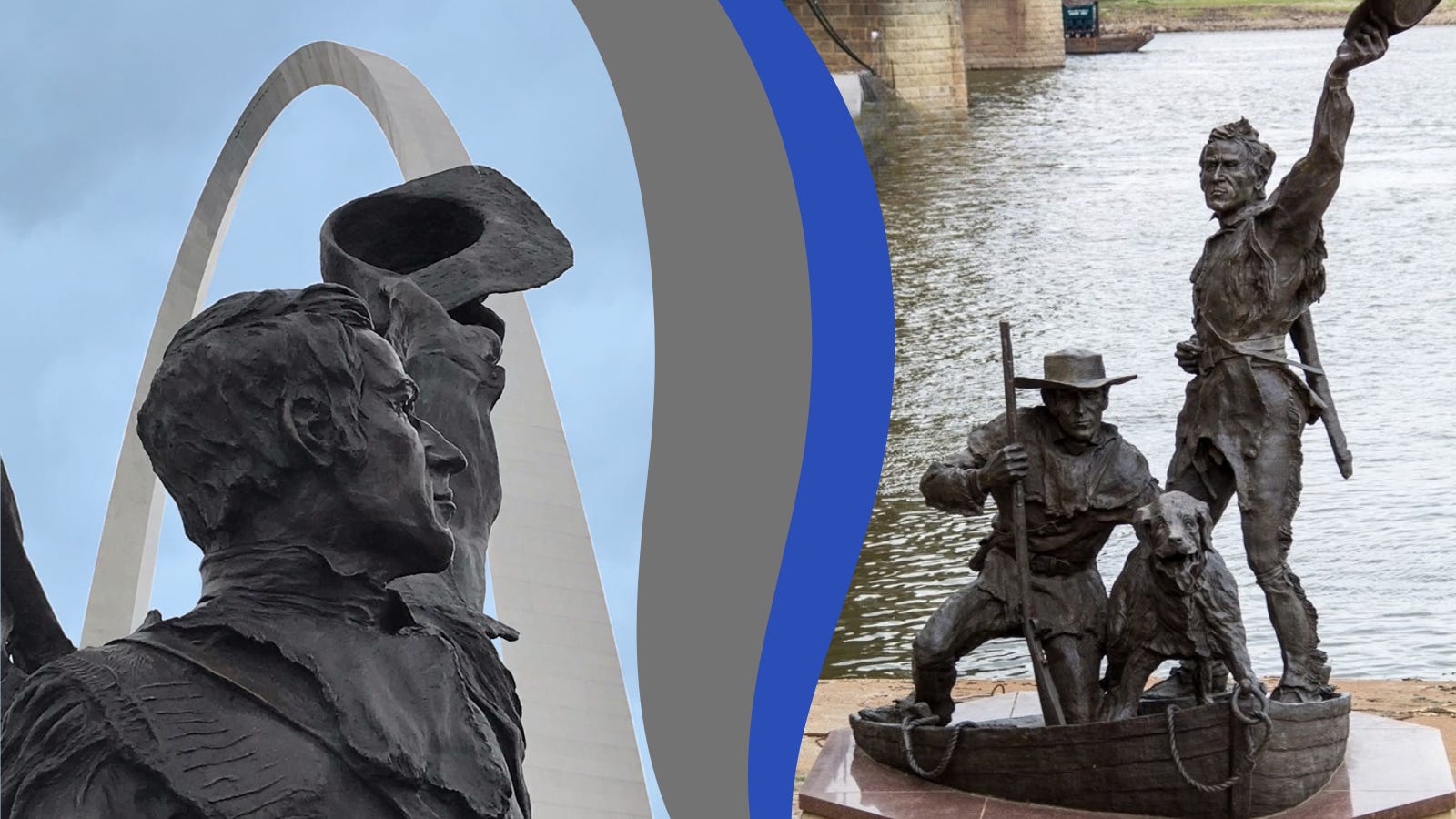
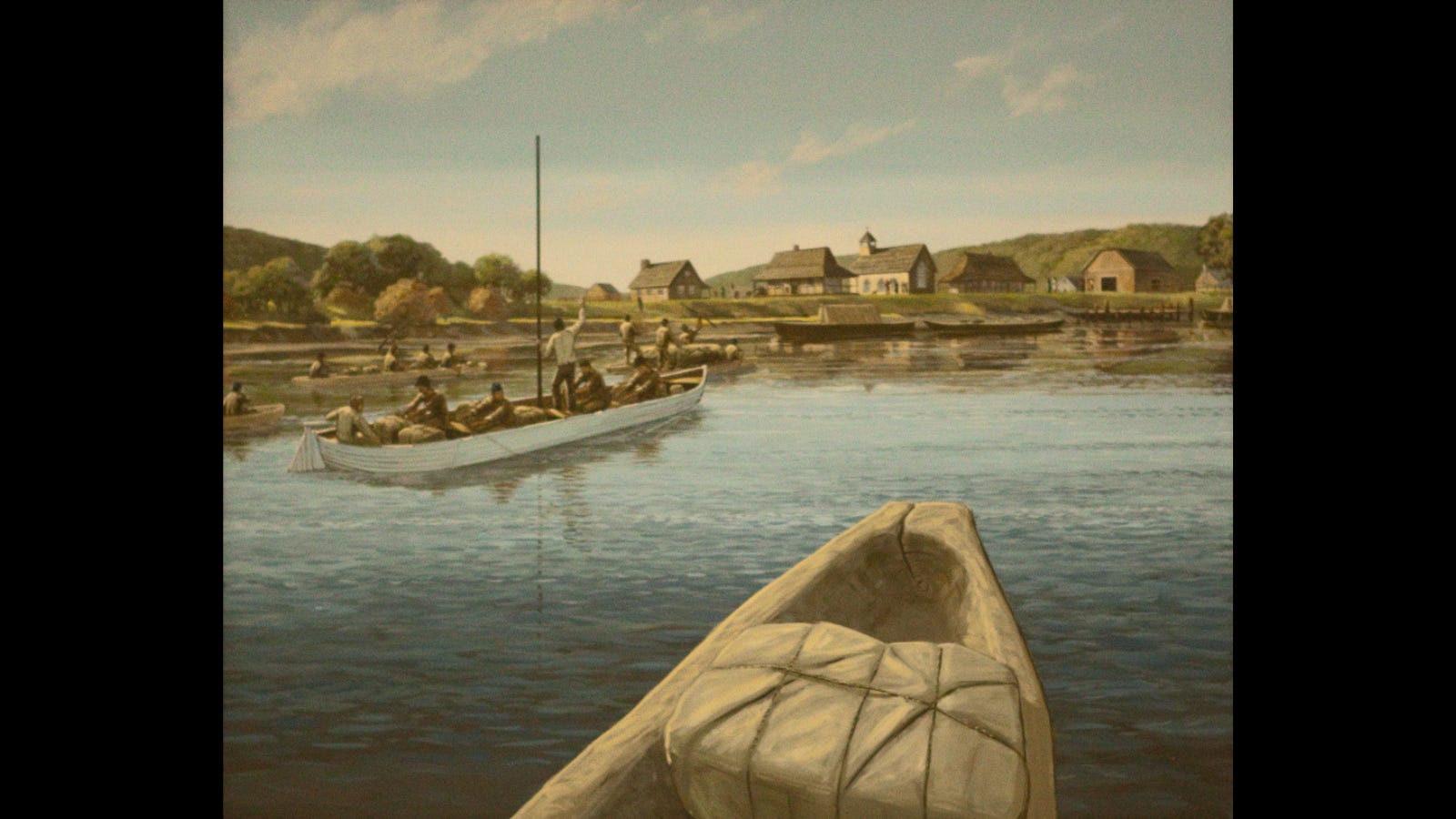
At noon on Sept. 23, 1806, the Corps of Discovery came within sight of St. Louis, fired three rounds, met with three cheers from the townsfolk, and headed for shore. After more than two years away—long enough for many to fear the explorers had perished somewhere beyond the “Stony” Mountains—Lewis, Clark, and their men were home. Or, at least, they were back in town. Now what?
It must have felt like they had arrived at Disneyland. Utter joy, exhilaration, relief—all present. For Meriwether Lewis, it was a dream come true—his “darling project” accomplished.
“entertaing as I do, the most confident hope of succeading in a voyage which had formed a da[r]ling project of mine for the last ten years, I could but esteem this moment of my departure as among the most happy of my life.” —Lewis, April 7, 1805 Mandan Villages, present-day North Dakota.
There was to be a dinner, a ball, and eighteen toasts at Christy’s Tavern. But duty first; there were letters to write, wet papers to rescue, specimens to sort, old friends to see, clothes to buy, baggage to store, accounts to settle, and men to discharge.
Three Cheers for the Corps
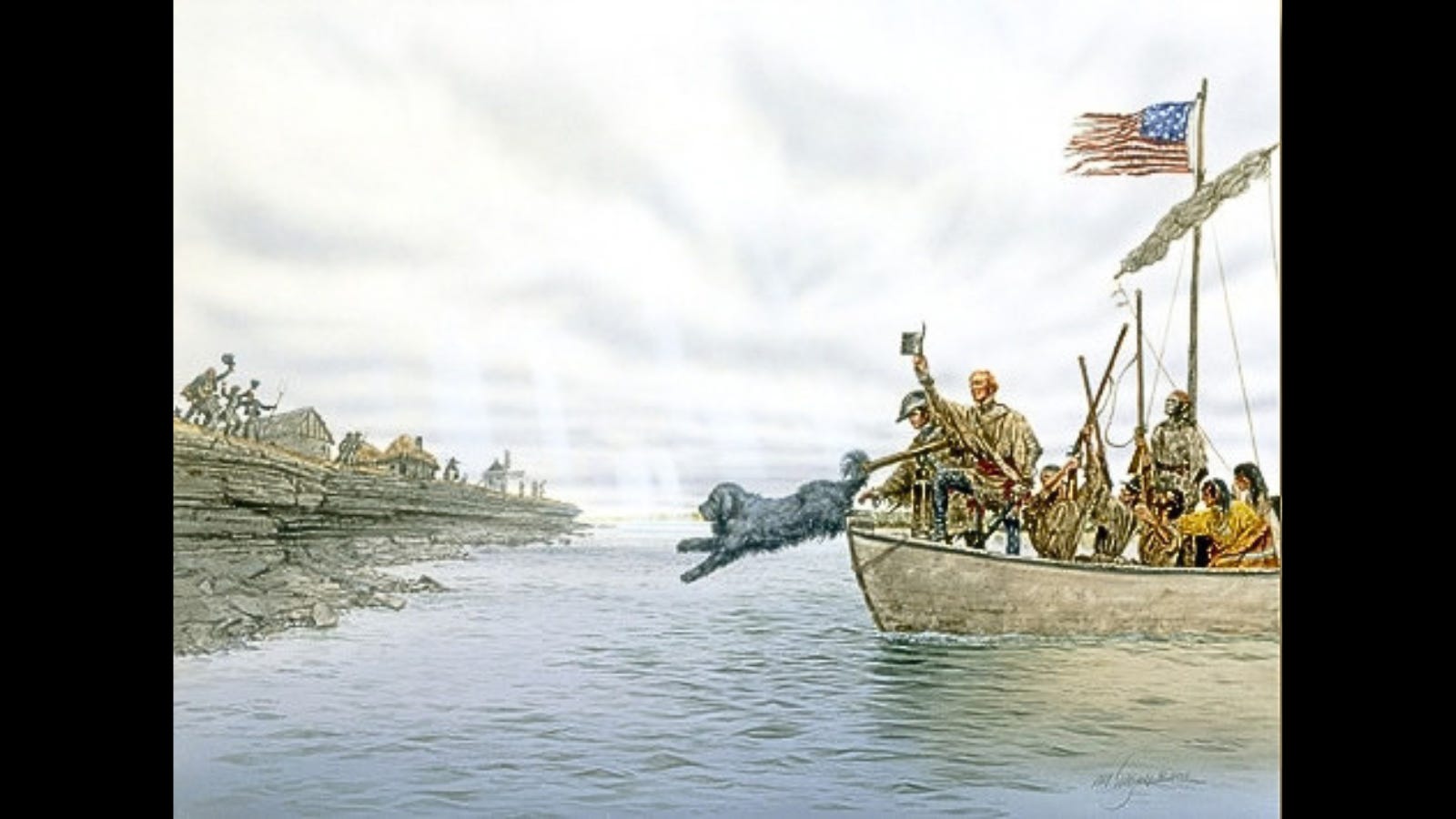
Oh, happy day! This was no time for subtlety.
The Corps fired a three-round salute as it approached St. Louis. The people on shore cheered three times. For the men in the boats, that sound must have been something special to hear. They had spent more than two years traveling through places where no one in St. Louis—or Washington, or Philadelphia, for that matter—had any idea whether they were safe, stranded, starving, delayed, or dead.
Sergeant John Ordway recorded the homecoming as true “Huzzah!” moment:
“about 12 oClock we arived in Site of St. Louis fired three Rounds as we approached the Town and landed oppocit the center of the Town, the people gathred on the Shore and Huzzared three cheers.”
Now there were familiar voices on the riverbank.
Clark quickly found Major William Christy, who ran a tavern in St. Louis and had known Clark before the expedition. Christy provided storage space for the expedition’s baggage. Pierre Chouteau invited Lewis and Clark to stay at his home.
But this was no ordinary luggage.

The Corps had returned with baggage, weapons, trade goods, skins, plant specimens, animal specimens, papers, journals, maps, and personal property. Everything had been carried, packed, dragged, loaded, unloaded, soaked, dried, repacked, and hauled across a continent. Homecoming started with finding a place to put it all.
While many of the men wrote of the joy of returning home, not everyone would immediately head for home, of course.
Lewis and Clark had years of reports, collections, official business, and public attention ahead of them. But for men such as Ordway, the grand expedition had a very personal ending. They wanted a room and board in town, their pay and settlement, and then a chance to see their families.
Why Some Feared the Worst
The cheers in St. Louis were not just patriotic enthusiasm. They were a giant sigh of relief. The Corps had departed the St. Louis area in May 1804.
Prior to that, Lewis had left Pittsburgh with the barge (or “keelboat”) and a few men in August of 1803.

He made it down the Ohio greatly delayed, picked up William Clark and additional recruits in Louisville, and set up a winter fort at Camp River Dubois on the Illinois side of the Mississippi River.
For these members of the Corps, the trip had started nine months earlier.

Either way, the group had spent more than two years traveling into country that was, from the perspective of the people waiting back east, very nearly beyond the edge of the known world. There was no mail service across the Rockies. No regular news. No quick report sent down from the Columbia River. No way for a worried parent, friend, military officer, or president to ask, “Are they all right?”
For long stretches, nobody knew.
President Thomas Jefferson knew better than most what the Corps had been sent to do—and what might go wrong. When Lewis’s letter announcing their safe return reached Washington about 30 days later, Jefferson replied that he had received the news with “unspeakable joy.” The time without word, he admitted, had begun to feel “awfully” long.
That is a remarkably candid phrase from a president who had sent the expedition west in the first place.
Jefferson had every reason to worry. A small military expedition had crossed the continent through largely unfamiliar country, traveled far beyond ordinary lines of communication, faced unpredictable weather and rivers, and depended at crucial moments on the knowledge, food, diplomacy, and goodwill of Native nations.
Lewis told Jefferson that every member of the party who had left the Mandan villages with him had returned in good health. He called that one of the voyage’s greatest satisfactions.
It was an outcome worth celebrating.
First Things First: Write Home
The Corps had only just arrived, but the captains did not waste time.
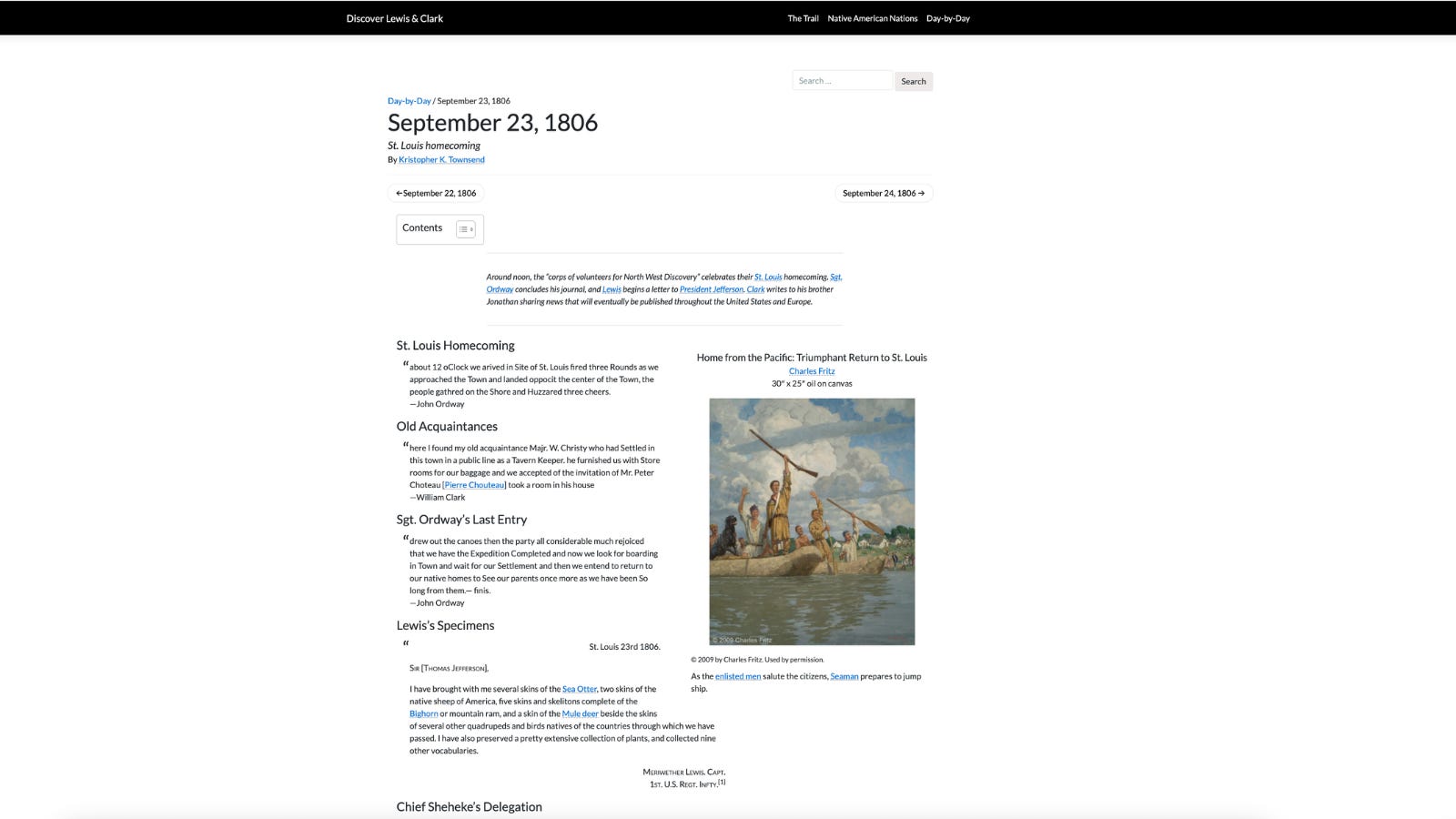
Lewis began a letter to Jefferson on that very day of September 23. Clark wrote to his brother, Jonathan, in Kentucky. Their first task was to tell the people who had sent them west that they had made it back.
Clark’s letter was not modest. He told Jonathan that the expedition had been successful in its purposes and that the captains had identified what they considered the best practicable route across the continent by way of the Missouri and Columbia rivers.
He also saw commercial possibilities everywhere. Clark believed the route could be hugely important to the fur trade, with furs from a great stretch of the continent moving down the Columbia River and into world markets.
Lewis’s letter to Jefferson gave a glimpse of what they had brought home: sea otter skins, bighorn sheep skins and skeletons, mule-deer material, bird skins, an extensive botanical collection, and vocabularies from Native nations they had encountered.
They had come home with scientific evidence, geographic information, ethnographic observations, commercial hopes, diplomatic questions, and a substantial amount of material that needed someone to label, protect, explain, and eventually ship east.
The next morning, September 24, Clark recorded that he had hardly slept. Still, he and Lewis got up early and went back to writing. Lewis continued work on his letter to Jefferson. Clark wrote to Indiana Territory governor William Henry Harrison and to friends in Kentucky.
He sent Corps member George Drouillard across the Mississippi to Cahokia with the letters.
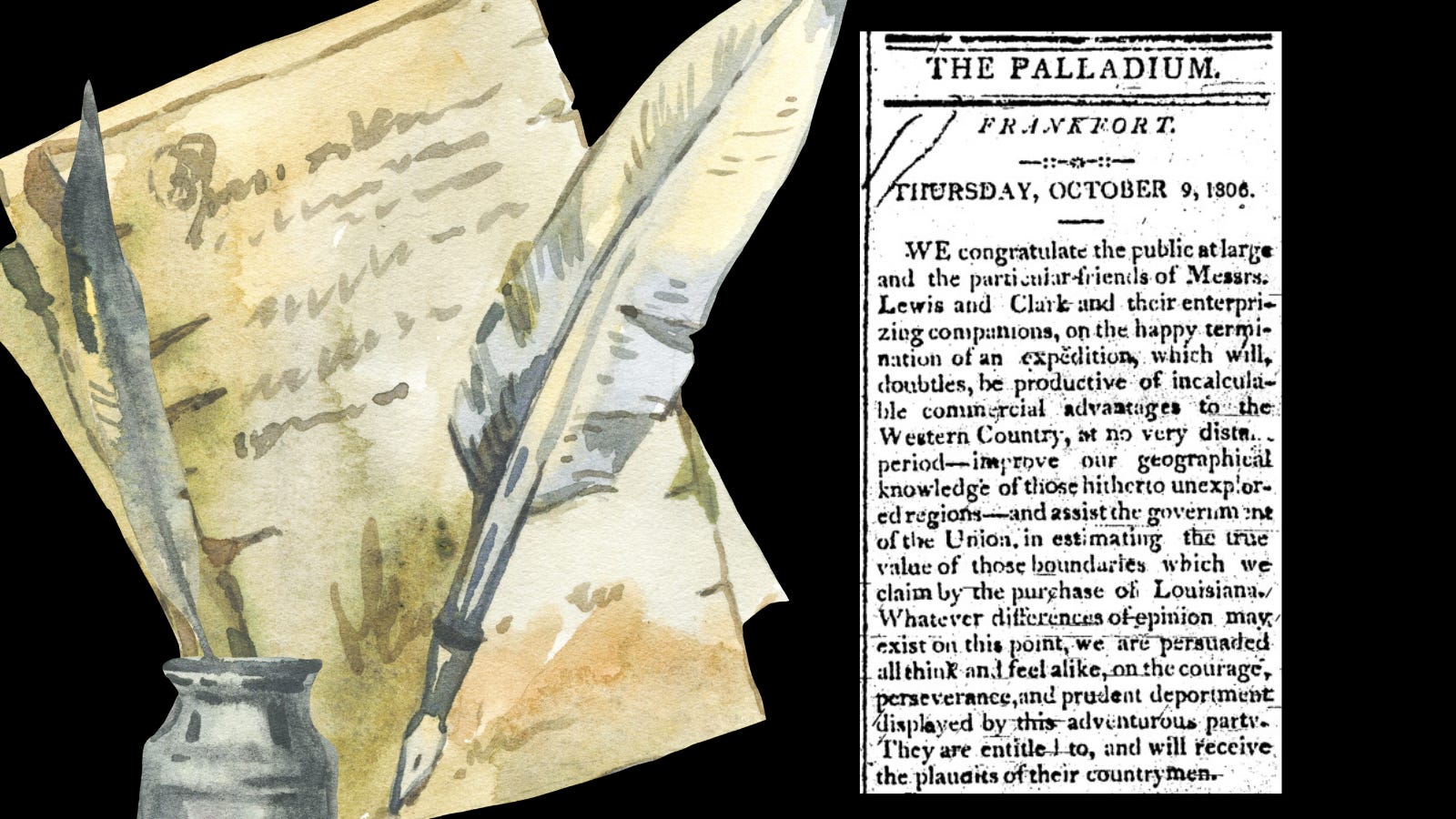
One of those letters—Clark’s to Jonathan—would soon appear in newspapers. The news of the expedition’s survival and return began spreading through Frankfort, Pittsburgh, and Washington City.
They Went Shopping
What do men do who have been away from home for two years? Shop, of course!
After two years of intense labor—walking, hauling, canoeing and trudging—for 4,900 miles, their physique was likely a bit different than when they left. They needed new threads.
On September 24, after dining with Mr. Chouteau, Lewis and Clark went to a store and bought clothing. Clark wrote that they gave the fabric or garments to a tailor and instructed him to make them. Clark does not specify if he dined with Auguste Chouteau or Pierre Chouteau, but the family was well-known in the fur trade in the St. Louis area.
They had crossed rivers, climbed mountains, worn out moccasins, slept in wet camps, and endured the sort of weather that makes a decent coat seem like a luxury beyond calculation.
Unfortunately, the unpacking also brought bad news.
When Lewis opened his trunk, he discovered that his papers were wet and that some of his seeds had spoiled.
For a man who had spent a good deal of time on the trip dedicated to recording observations and collecting material for Jefferson, that must have been a miserable discovery. Those wet papers represented field notes, observations, measurements, and records from the journey. The spoiled seeds represented lost possibilities for the scientific collection.
But not everything had been ruined.
The captains still had skins, specimens, records, and a mass of property to preserve. On September 25, they had these items spread out in the sun and stored in Pierre Chouteau’s warehouse.
That is the less glamorous side of exploration: unpacking, drying, sorting, and hoping nothing has molded.
Then They Had a Ball
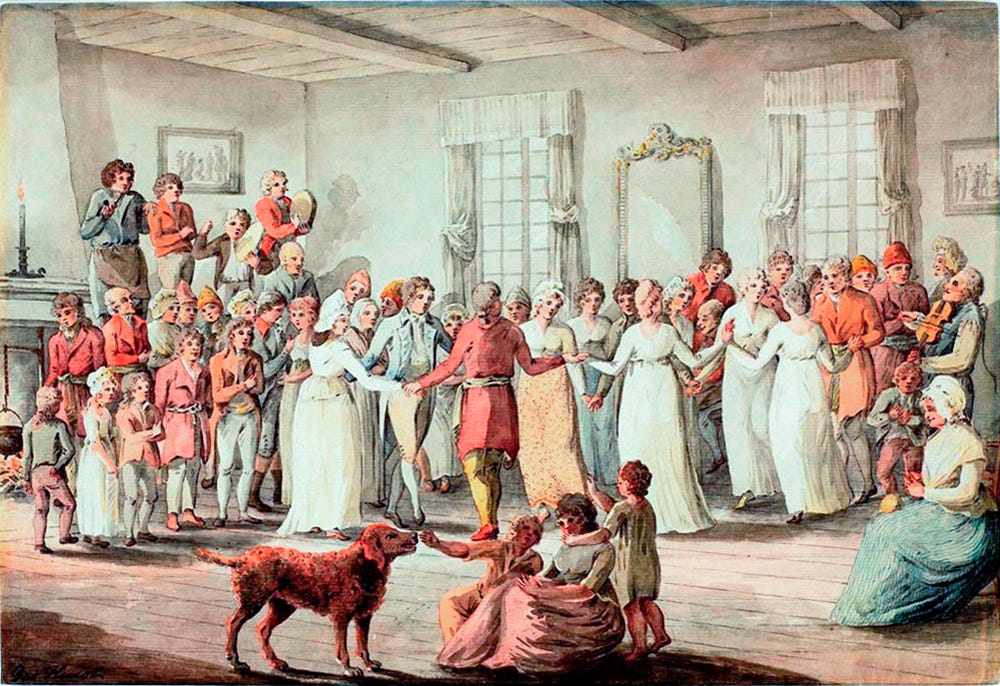
Thankfully, St. Louis was prepared to celebrate. In 1806, St. Louis was still a small river village of a little more than 1,000 people—small enough that Clark could write that “all the village” met the returning explorers and welcomed them heartily.
On September 25, Lewis and Clark made formal calls on several local gentlemen.
Then, Clark wrote, they attended “in the evening a dinner & Ball.”
It was time to party.
It is hard not to picture the contrast. Only days earlier, the expedition had been working its way down the Missouri after a summer of travel through the Yellowstone country. Before that came the Pacific winter, the Columbia, the Bitterroots, the Great Falls portage, the long Missouri ascent, and every other difficult mile.
Now there were rooms filled with music, food, spirits, and conversation.
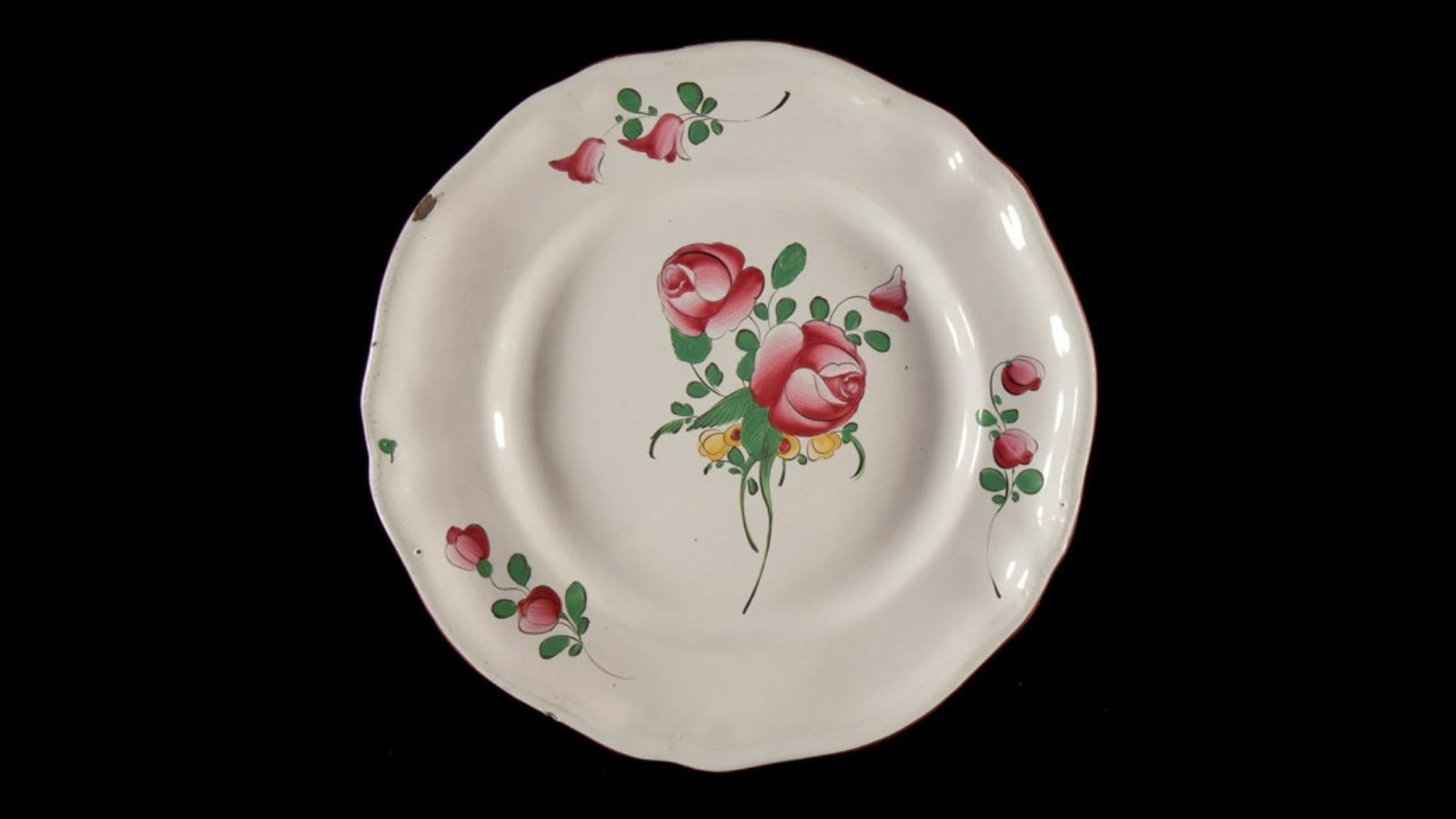
And there was more celebration at Christy’s Tavern. Eighteen toasts were offered. They honored the United States, President Jefferson, the expedition, Lewis and Clark, and the potential importance of the Missouri River and western commerce.
One toast praised Jefferson as:
“The friend of science, the polar star of discovery, the philosopher and the patriot.”
Another saluted the Missouri River with the hope that it would become “a vehicle of wealth to all the nations of the world.”
And then the room raised a glass to the captains:
“Captains Lewis and Clark — Their perilous services endear them to every American heart.”
After years of rationing, hunger, hard work, and camp meals, eighteen toasts may have been a little easier to manage than breakfast in the Bitterroots.

The Expedition Was Over. The Work Was Not.
On September 26, Clark wrote what amounts to the final line of the expedition journal:
“a fine morning we commenced wrighting &c”
That “&c.” meant the travel was finished, but the paperwork was just beginning.
The captains had letters to finish, journals to organize, collections to protect, reports to prepare, accounts to settle, and men to discharge. Clark estimated that it would take eight to ten days to settle with the enlisted men before the captains could leave St. Louis.
Lewis also planned to travel east with the Mandan leader Sheheke, his family, and an interpreter. There were diplomatic responsibilities to attend to, as well as scientific and military ones.
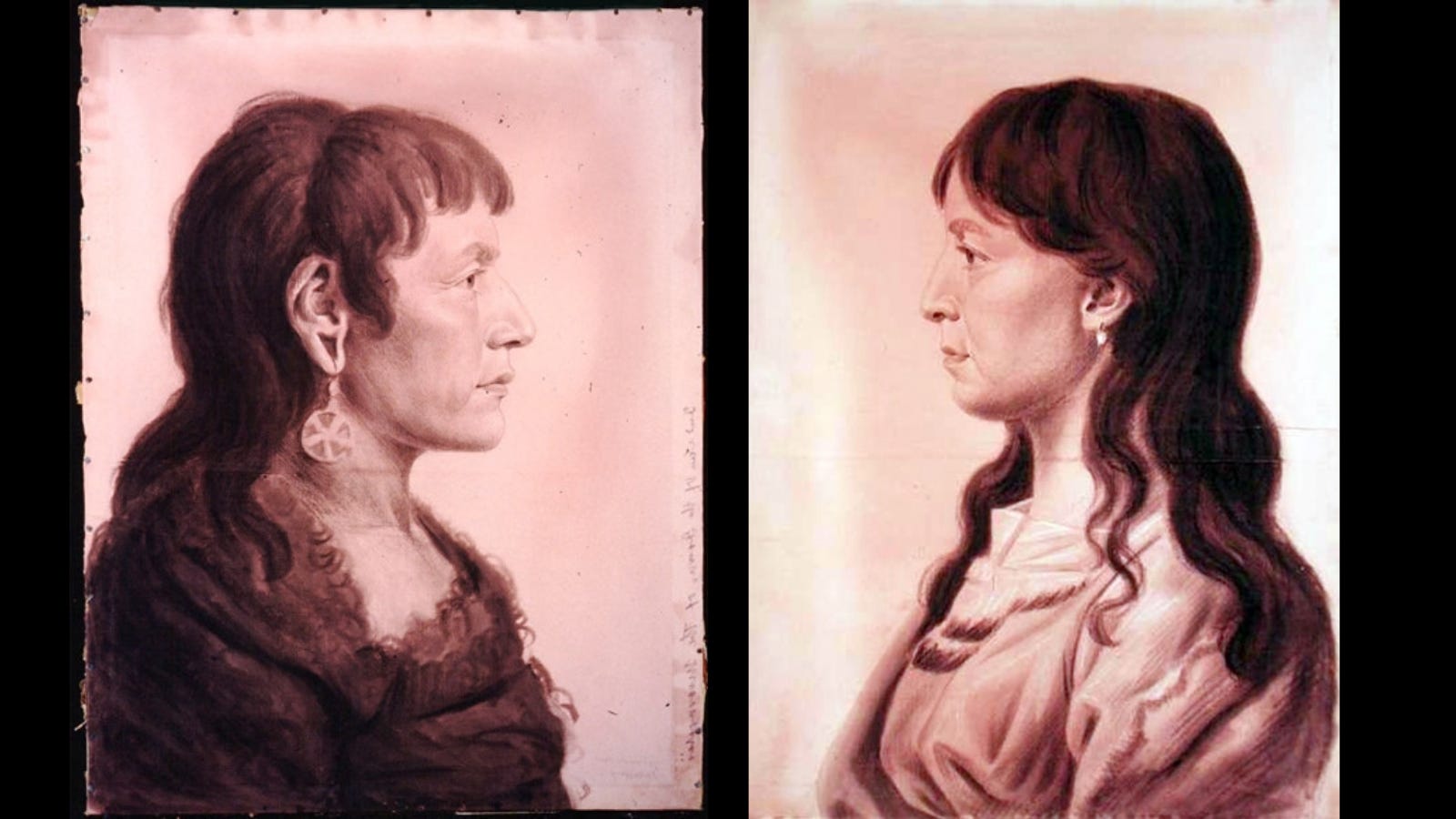
In Washington, Jefferson received Lewis’s letter on October 24, 31 days after it had been written. Still, the president got “the scoop” on the news of the mission’s safe return and provided it to the National Intelligencer, which shared it with readers eager to learn that the party had crossed the continent and survived the “tremendous mountains” and “eternal snows” described in the report.
The long silence had ended.
Just the Beginning
The St. Louis homecoming had everything a good ending needs: cheers from the shore, old friends, rooms at a familiar house, letters home, a trip to the store, a tailor, a dinner, a ball, and plenty of toasts.

It also had the reality of wet papers, spoiled seeds, storage problems, unsorted collections, and a mountain of official work.
The Corps of Discovery had not just been on an adventure. It had carried out a federal mission whose results had to be documented, explained, and turned into useful knowledge.
Still, it is worth pausing at the riverbank with Ordway for a moment.
The boats approach. The Corps fires three rounds. The people cheer. Men who had been out of reach for more than two years step back onto familiar ground.
“the party all considerable much rejoiced that we have the Expedition Completed and now we look for boarding in Town and wait for our Settlement and then we entend to return to our native homes to See our parents once more as we have been So long from them.— finis.” John Ordway
While Ordway appropriately closed his journal with finis, Latin for “the end” or “finish”, he was correct that, like his journal entries, one part of a journey was ending.
The rest of the story, of course, was just beginning.

For a Deeper Dive
Learn more about traveling the Lewis & Clark Historic Trail?
Or visit Discover Lewis & Clark where you’ll discover 2,400 pages of all things Lewis & Clark curated by the Lewis & Clark Trail Alliance.
The official, online journals of the Lewis & Clark Expedition are the celebrated Nebraska edition of the Lewis and Clark journals, edited by Gary E. Moulton.
National Park Service’s Lewis & Clark National Historic Trail.


The Kansas Historical Society has a ledger from a St Louis store that outfitted some of these men after they returned. The names Chouteau and Clark are among the customers. You might find it interesting. I was mainly interested in the bookkeeping and numbers!
http://polistrasmill.blogspot.com/2019/07/wiskit-dans-son-avanture.html